Struggling with Anxiety? These 7 Small Habits Actually Help
It’s 2 AM. You’re staring at the ceiling, your heart is doing that annoying fluttering thing, and
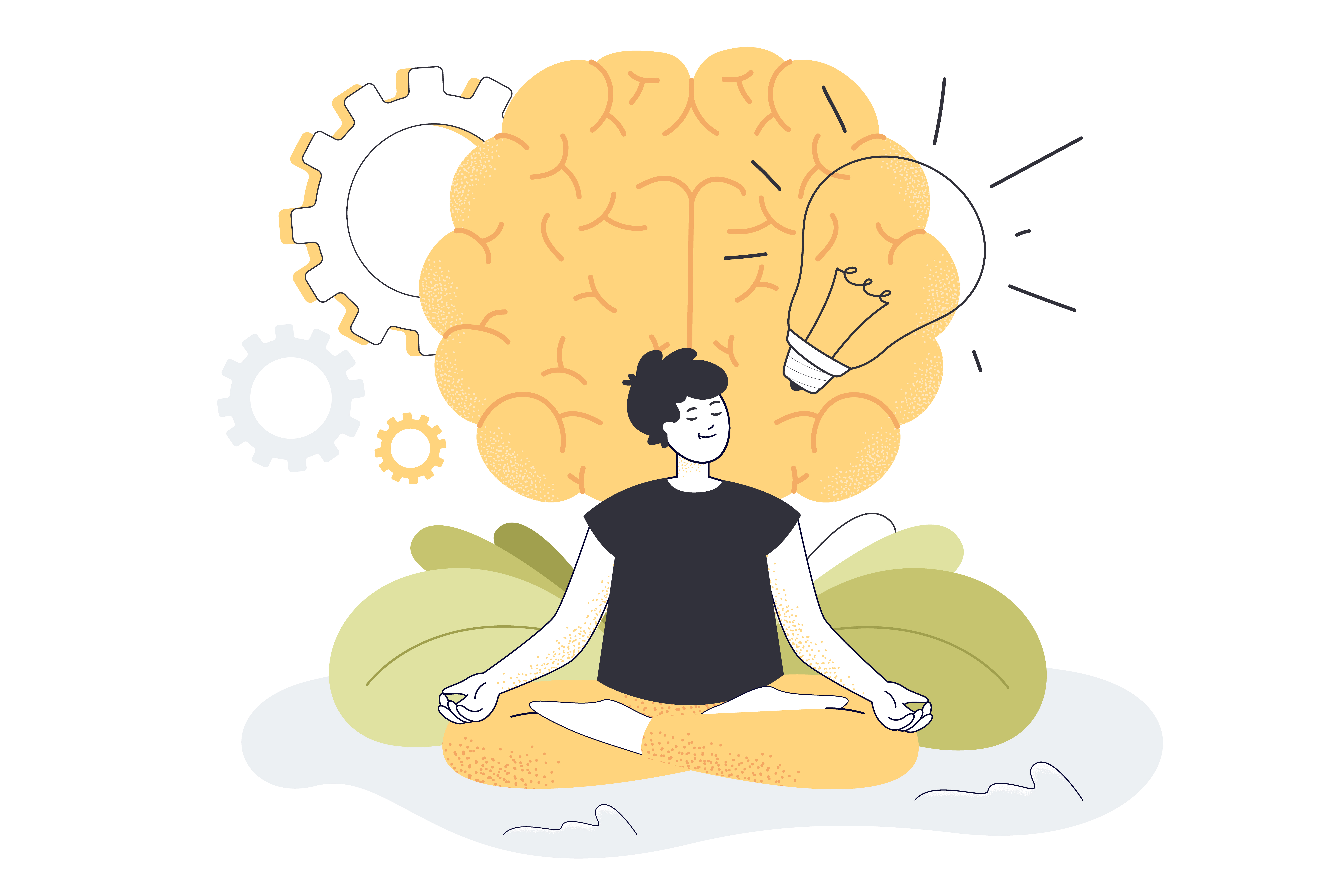 you’re spiraling about a career you haven't even started yet.
If that sounds familiar, welcome to your 20s. Between the "LinkedIn spiral" (where everyone seems more successful than you) and the constant pressure to have your life figured out, anxiety and young adults seem to go hand-in-hand lately. But here’s the truth: almost everyone our age is going through the exact same thing. You aren’t alone in this.
While I’m a big fan of professional therapies for anxiety and depression, you can start reclaiming your headspace right now with these seven practical, science-backed anxiety tools.
1. Master the "Panic Button" Breath (4-7-8)
When your heart starts racing, you can't just make yourself calm. You have to force your body to chill out.
How to do it: Inhale for 4 seconds, hold for 7, and exhale slowly for 8.
Why it works: According to Cleveland Clinic, it’s like a manual override for your nervous system.
I use this right before meetings or whenever I feel a "doom spiral" coming on. It’s one of the fastest ways to how to calm anxiety in the moment.
2. Stop the "Catastrophe" Before it Starts
Anxiety loves to tell you lies like, "I’ll never get a job" or "Everyone thinks I’m a failure." In psychology, we call this Reframing. Next time you catch a negative thought, put it on trial. Ask yourself: Is there actually evidence for this?
Instead of "I'm failing," try: "I'm in a learning phase, and that's okay." I know it’s easier said than done - I still struggle with this myself. But if we can just try it once, it slowly starts to become a habit.
Use the 5-4-3-2-1 Grounding Method
If you feel the physical signs of anxiety rising while you're out in public, use your senses to get back into your body:
Identify 5 things you see, 4 you can touch, 3 you hear, 2 you smell, and 1 you can taste. It sounds simple, but it’s a powerful way to stop your brain from worrying about the future and bring it back to the "now."
4. Schedule a "Worry Appointment"
This sounds a bit weird, right? Haha, I know - but stay with me. Instead of struggling with anxiety and letting it follow you around like a dark cloud all day, give it a dedicated 15-minute time slot (let’s say at 6:00 PM).
When a scary thought pops up at 2:00 PM, tell yourself: "Not now. We’ll freak out about this at 6:00." It gives you a sense of control over your day.
5. Break Up with the "Comparison Trap"
Let’s be honest: Scrolling through Instagram or LinkedIn is usually an anxiety trigger. We see everyone else’s "highlight reel" and compare it to our "behind-the-scenes."
Look, we all do the midnight scroll. But you’ve got to try a Digital Detox. Put your phone somewhere you actually have to get out of bed to reach. I know it sounds difficult to go without your phone, but trust me, your mind needs space without the constant pressure of comparison.
6. Try "Movement Snacking"
You don’t always need to spend two hours at the gym to feel better. Even just 10 minutes of movement - a quick walk around the block or a stretch - releases endorphins that act like natural anti-anxiety medicine.
This is how we can overcome anxiety in small bites: if you’re stressed about your career, take a walk while you brainstorm. It’s amazing how much clearer things feel when you’re actually moving.
7. Create a "Brain Dump" Bedtime Practice
Overthinking always seems to peak at night. Before you go to sleep, grab a notebook and write down everything you’re worried about for tomorrow. Once it’s on paper, your brain doesn't have to "store" it anymore. Pair this with some chamomile tea, and you’ll actually stand a chance at falling asleep easily.
Real Talk: Does This Actually Work?
These aren't just "feel-good" tips. These habits are actually rooted in Cognitive Behavioral Therapy (CBT). While they might not "cure" anxiety overnight, they give you a toolkit to manage it so it doesn't manage you.
FAQ: Anxiety in Young Adults
Is it normal to feel this anxious?
Absolutely. Especially in high-pressure environments, nearly half of us are feeling the same way. You’re navigating a lot of "firsts" right now, but it’s really okay to feel overwhelmed.
When should I see a professional?
If anxiety is stopping you from eating, sleeping, or leaving the house, it’s time to talk to a therapist. There are great apps and local clinics that make this much easier than it used to be.
Can I manage this on my own?
While these anxiety tools help manage daily stress; professional support is always a good idea if you feel stuck. These habits work best alongside a healthy lifestyle and, if needed, professional guidance.
What do you think?
Struggling with anxiety in 20s is a heavy lift, but you don't have to carry it alone. Remember: progress isn't a straight line. Some days will be louder than others, and that’s okay. I’m still working on that "no-phone" rule myself, so let’s hold each other accountable!
If this helped you breathe a little easier today, feel free to share it with a friend who might need it too.
Disclaimer: I’m a psychology enthusiast sharing what works for me and what the research says. I am not a doctor. If your anxiety feels unmanageable, please reach out to a professional.