The Dark Side of Health Tracking: How Smart Rings and Orthosomnia Ruin Your Rest
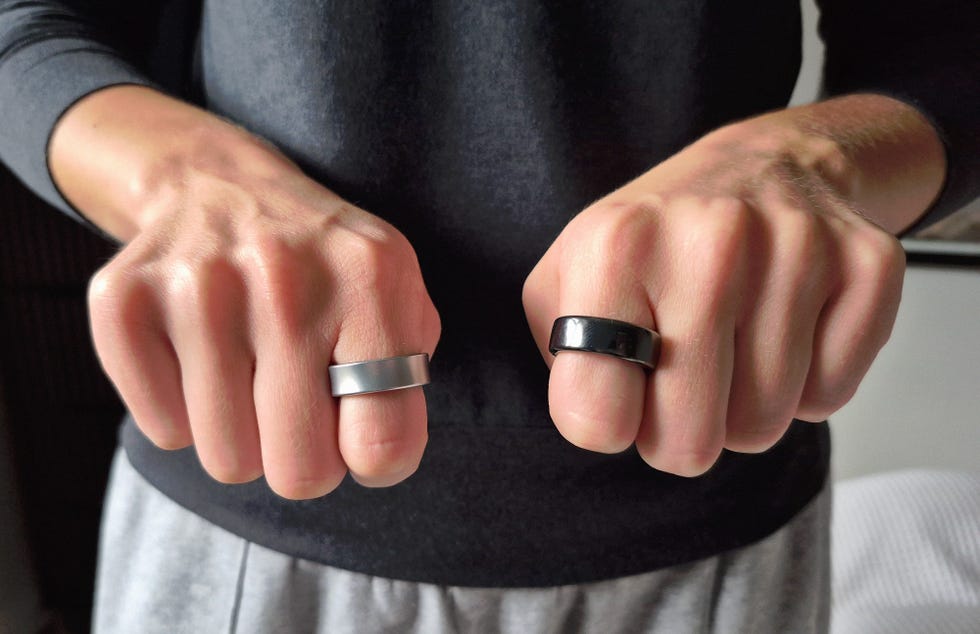
The modern wellness revolution promises total control over human biology. Slip a sleek piece of titanium onto your finger, sync it to a smartphone application, and suddenly your microscopic physiological data transforms into colorful, easy-to-read charts. With the massive mainstream commercial adoption of premium consumer hardware like the Oura Ring 4 and the Samsung Galaxy Ring, millions of people monitor their bodies around the clock. We engage in continuous health tracking to measure our resting heart rates, heart rate variability, respiration metrics, and movement patterns with absolute precision.
However, this constant stream of biometric feedback has created an unintended psychological side effect. For many users, monitoring their vitals around the clock triggers severe mental distress.
Instead of guiding people toward better lifestyle habits, a smart ring for fitness tracking can create an anxious fixation on numerical perfection. This unique psychological challenge is known as orthosomnia.
Understanding how tracking devices alter your mindset helps you spot hidden orthosomnia symptoms. This awareness allows you to step away from data-driven pressure and learn how to improve your sleep quality naturally by restoring your body's innate rhythms.
The Rise of Orthosomnia: When Wellness Metrics Cause Insomnia
The term orthosomnia describes a clinical condition where an individual develops an unhealthy obsession with achieving perfect sleep data on their wearable devices. This condition does not stem from a natural physical sleep defect. Instead, it is born out of a cognitive fixation on algorithmic perfection. When a user wakes up feeling physically refreshed but reads a notification that their device scored their rest at a low sixty-five percent, a profound psychological conflict takes place. The user begins to trust the phone screen over their own physical body.
This behavior patterns perfectly with the dark side of consumer health tracking. People frequently ask if a tracking ring can cause long-term sleep disruption. The answer within clinical psychology is an absolute yes. The constant pressure to perform well on your Oura Ring 4 or Samsung Galaxy Ring triggers nocturnal hyperarousal.
You find yourself lying in bed, intensely monitoring your breathing patterns and worrying about how your heart rate will look on tomorrow’s chart. This performance anxiety keeps your mind highly active, making it nearly impossible for your brain to drift off into deep, restorative sleep phases. It transforms a helpful tool into a direct source of psychological stress.
The Neurobiology of Wearable Stress: How Biofeedback Feeds Hyperarousal
Your autonomic nervous system is highly sensitive to the pressure of constant evaluation. When you struggle with biometric tracking stress, your body views the data on your smartphone screen as an immediate performance review. Consistently reading negative notifications triggers your amygdala to sound a quiet, ongoing survival alarm. This response floods your bloodstream with tiny surges of cortisol and adrenaline.
This ongoing survival mode acts as a direct roadblock to deep rest. To fall asleep and stay asleep, your body must shift fully away from the sympathetic survival branch and trigger parasympathetic nervous system activation.
When your mind is consumed by tracking anxiety, your body stays locked in a state of high alert. This chronic alertness prevents your heart rate from dropping to its lowest point during the early hours of the night. As a result, your smart ring for fitness tracking records a poor score the next morning, reinforcing your fears. You become trapped in a self-fulfilling loop were tracking your stress actively creates more stress.
Recognizing the Warnings: Identifying Orthosomnia Symptoms
Spotting the signs of anxiety early is essential for protecting your long-term mental health. Because these devices are marketed as tools for self-improvement, users often mistake an unhealthy obsession for dedicated self-care. It is vital to separate healthy motivation from tracking-induced anxiety.
Common orthosomnia symptoms in a daily lifestyle routine include:
Experiencing a sudden drop in your morning mood if your device shows a low score.
Refusing to participate in normal lifestyle activities because you are worried it will ruin your daily tracking data.
Checking your application multiple times an hour to evaluate minor changes in your biometrics.
Feeling intense pressure while trying to fall asleep, driven by the desire to improve your chart metrics.
If you find yourself constantly checking your Oura Ring 4 data to figure out why your score is low, you are likely dealing with tracking-induced hyperarousal. Shifting away from this data trap requires recognizing that numbers on a screen cannot accurately measure the full depth of human vitality. Real wellness comes from internal peace, not an external digital metric.
Stepping Down the Alarm: Overcoming Biometric Health Anxiety
To break free from this digital performance trap, you must learn to change how you interact with your wearable technology. Overcoming biometric health anxiety does not mean you have to throw your Samsung Galaxy Ring away completely. It means setting firm psychological boundaries between your self-worth and your digital data.
First, commit to a blind data truce. Check your tracking metrics only once a day, at a set time in the afternoon. Avoid looking at your device the moment you wake up. This boundary gives your brain a chance to evaluate how your body feels naturally, without being influenced by an algorithmic score.
Second, practice mindful somatic check-ins. Before you open your tracking application, close your eyes and take three deep breaths. Ask yourself how your body actually feels. Notice your physical energy levels, the clarity of your mind, and any muscle tension. By practicing this habit, you learn to trust your internal sensations over the external data on your screen.
Finally, implement deliberate sanctuary days. Choose two consecutive days each week to turn off your ring's live notifications or put the device on its charger. Spending time completely disconnected allows your nervous system to rest without the constant pressure of evaluation. It helps you step away from performance habits and return to a natural way of living that prioritizes emotional well-being.
Restoration Blueprints: Reclaiming Your Natural Sleep Cycle
Once you step down from data-driven pressure, you can focus on working with your body's natural biology. Cultivating authentic rest requires focusing on physical habits that actively support your internal circadian rhythms and soothe your nervous system. This approach relies heavily on triggering parasympathetic nervous system activation before your head hits the pillow.
To achieve this, establish clear circadian light boundaries. Expose your eyes to direct, natural sunlight for ten minutes within an hour of waking up. This morning light signals your brain to stop producing melatonin and sets an internal timer for your evening rest. When the sun goes down, dim the lights in your home and avoid bright blue screens for at least an hour before bed.
Additionally, practice somatic exercises for muscle release. To prepare your body for deep rest, spend five minutes doing gentle stretching or progressive muscle relaxation before getting into bed. Focus on releasing tension in your jaw, shoulders, and lower back. This movement signals your brain that it is safe to relax, helping you move out of high-alert states and preparing your body for restorative slow-wave sleep without relying on a smart ring for fitness tracking to tell you you are rested.
Blending Intelligent Technology with Human-First Self-Awareness
Wearable devices are incredible pieces of modern engineering. Premium lifestyle hardware like the Oura Ring 4 and the Samsung Galaxy Ring can offer helpful insights into your general health habits over long periods of time. They can show you broad trends in your resting heart rate or highlight how alcohol consumption impacts your overnight recovery.
However, these devices should serve as supportive guides, not absolute authorities over your life. True well-being is not found by chasing a perfect score on a smartphone screen. It is built by developing a deep, gentle connection with your own body.
By replacing tracking-induced anxiety with authentic, healthy lifestyle habits, you give your nervous system permission to rest deeply. You trade the rigid pressure of algorithmic optimization for the fluid ease of somatic awareness. Step away from the charts, listen to your body's natural wisdom, and return to a life of true balance.